

Gastric Bypass Surgery in Dubai
The gold standard procedure for profound weight loss and metabolic health improvement.
The Gastric Bypass Procedure
Often referred to as the "gold standard" of weight loss surgery, the Laparoscopic Gastric Bypass is one of the most established and effective bariatric procedures. It works through a dual-action mechanism:
The surgeon creates a small stomach pouch, about the size of an egg, which physically restricts the amount of food you can eat at one time.
The new pouch is connected to a lower part of the small intestine, causing food to "bypass" the upper section. This reduces the number of calories and nutrients your body absorbs.
Interactive Vitamin Guide
After a gastric bypass, lifelong vitamin supplementation is essential. Click a nutrient to learn why it's important.
Understanding Dumping Syndrome
This common side effect happens when food, especially sugar, moves too quickly from the stomach to the small intestine. Select symptoms to learn more.
Gastric Bypass Surgery
What is Gastric Bypass Surgery?
Gastric bypass is a surgical procedure that involves reducing the size of the stomach and connecting it directly to the lower part of the small intestine. This limits both food intake and nutrient absorption.
Types of Gastric Bypass
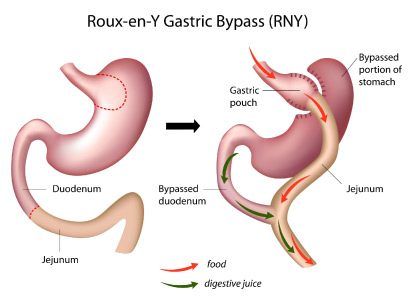
Involves two connections (anastomoses): one between the stomach and the intestine, and another between two parts of the intestine.
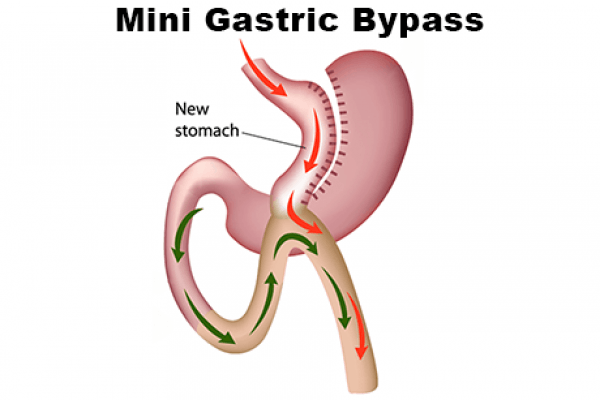
Involves only one connection between the stomach and the intestine, making it simpler and faster.
How Does the Surgery Work?
Gastric bypass works through two mechanisms:
- Restriction: Reduces stomach size, resulting in early satiety with smaller meals.
- Malabsorption: Bypasses the upper part of the small intestine responsible for absorbing fats and sugars, reducing calorie absorption.
Who is a Candidate for Gastric Bypass?
This procedure is suitable for:
- Patients with a BMI over 40, especially those with a high intake of sugary foods.
- Patients with a BMI over 35 who suffer from obesity-related diseases such as diabetes, hypertension, or high cholesterol.
Complications of Gastric Bypass Surgery
- Vitamin Deficiencies and Anemia: Due to malabsorption, patients may develop deficiencies in essential nutrients leading to hair loss and fatigue. Lifelong supplementation is required.
- Digestive Disturbances: Some patients experience bloating, indigestion, or irritable bowel symptoms. These can be managed with medications.
- Excessive Weight Loss: In rare cases, patients may lose too much weight and require reversal or revision surgery.
- Leaks at the Surgical Connection: Although rare, leaks at the stomach-intestine junction can occur and may require surgical intervention.
Weight Loss After Gastric Bypass
Patients typically lose about 70% of their excess weight within 8 months and achieve their ideal weight within one year.
Improvement in Obesity-Related Conditions
Gastric bypass is one of the most effective procedures for resolving comorbidities:
- Studies show 95% of type 2 diabetes cases are resolved within one year.
- Also improves hypertension and cholesterol levels significantly.
How Does Gastric Bypass Affect Diabetes?
The procedure improves diabetes through:
- Reduced absorption of fats and sugars.
- Reduced secretion of harmful gut hormones that interfere with insulin, thereby improving pancreatic function and enhancing insulin sensitivity.
Success Factors for Diabetes Treatment
Best results are seen in patients who still have remaining insulin production or functional pancreatic reserves before surgery.
Is It Suitable for Diabetic Patients Without Obesity?
Yes. According to several studies (including ones overseen by Prof. Dr. Tamer Salama), modified versions of gastric bypass have shown great effectiveness in non-obese type 2 diabetics, with minimal impact on weight but high efficacy in blood sugar control.
Can Patients Get Pregnant After Surgery?
Pregnancy is not contraindicated, but it is recommended to wait at least 2 years post-surgery to ensure nutritional stability.
Complications of Gastric Bypass Surgery
Due to malabsorption, patients may develop deficiencies in essential nutrients leading to hair loss and fatigue. Lifelong supplementation is required.
Some patients experience bloating, indigestion, or irritable bowel symptoms due to the altered digestive tract. These can be managed with medications.
In rare cases, patients may lose too much weight and require reversal or revision surgery.
Although rare, leaks at the stomach-intestine junction can occur and may require surgical intervention.
- Vitamin Deficiencies and Anemia:
- Digestive Disturbances:
- Excessive Weight Loss:
- Leaks at the Surgical Connection:
Why Does Vitamin Deficiency Occur After Bypass?
It results from reduced nutrient absorption in the bypassed part of the intestine. Treatment includes improving diet quality and using vitamin-rich foods and supplements.
Expert Gastric Bypass Surgery in Dubai

Prof. Dr. Tamer Salama
Consultant General & Weight Loss Surgeon at Saudi German Hospital, Dubai
Performing the Gastric Bypass requires immense skill and experience. We highly recommend Prof. Dr. Tamer Salama, an SRC-accredited Master Surgeon whose expertise is internationally recognized.
His precision and deep understanding of metabolic surgery make him a leading choice for this life-changing procedure. At the Center of Excellence in Saudi German Hospital Dubai, Dr. Said ensures every patient receives world-class care and achieves the best possible health outcomes.
Ready to Take the Next Step?
Book a free consultation with Prof. Dr. Tamer Salama.
Book Consultation